
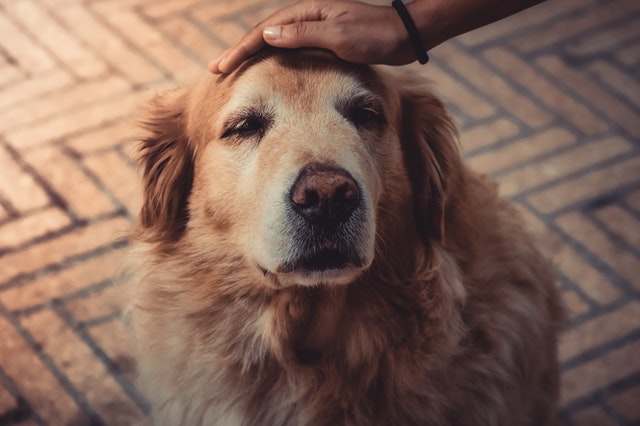
Senior Pet Care in Pembroke Pines, FL
As your pet grows older, their healthcare needs change. At Your Pets Vets in Pembroke Pines, FL, we provide specialized senior care designed to support your aging pet’s health, comfort, and quality of life. Call us at (954) 271-2703 to schedule your senior pet’s exam today.
Book OnlineCaring for Your Senior Pet in Pembroke Pines, FL
Every pet owner dreads the moment they realize their beloved companion is getting older. But aging doesn’t have to mean a decline in quality of life. With the right veterinary care and early intervention, many senior pets go on to enjoy active, comfortable, and happy lives well into their golden years. At Your Pets Vets in Pembroke Pines, FL, we take a proactive, compassionate approach to senior pet care — one that focuses on catching age-related health issues early, managing chronic conditions effectively, and keeping your older pet as comfortable and vibrant as possible.
Our senior care program is built around the understanding that older pets need more than just a yearly checkup. We recommend that senior dogs and cats visit Your Pets Vets at least twice a year, because a lot can change in six months for an aging animal. Between those visits, we encourage pet owners to stay attuned to any changes in their pet’s behavior, mobility, appetite, weight, or energy levels, and to contact us promptly if anything seems off.
When Is a Pet Considered “Senior”?
The definition of “senior” in pets varies by species, breed, and size. As a general guideline:
- Dogs: Large and giant breeds are typically considered senior at around 5–7 years of age, while small and medium breeds may not enter their senior years until age 8–10. Smaller dogs generally have longer lifespans than larger breeds.
- Cats: Cats are generally considered seniors at age 11 and above, though many cats begin showing early signs of aging before that.
Regardless of age, factors like weight, nutrition, environment, genetics, and overall health history all play a role in how a pet ages. Our veterinarians at Your Pets Vets will assess your individual pet to determine the appropriate level of care at each stage of their life.
Signs of Aging to Watch For in Your Pet
Some age-related changes in pets are gradual and subtle, which is why regular veterinary visits are so important. Common signs that your pet is entering their senior years — or may need a veterinary evaluation — include:
- Decreased activity or reluctance to exercise
- Sleeping more than usual or lethargic behavior
- Reduced interaction with family members
- Disorientation or confusion (e.g., getting lost around the house)
- Unresponsiveness to their name or commands
- Excessive or unexplained vocalization (barking, meowing, whining)
- Weight gain or unexplained weight loss
- Changes in coat, skin, or overall appearance
- Incontinence or changes in bathroom habits
- Limping, stiffness, or difficulty getting up and down
- Decline in vision or hearing
- Vomiting, diarrhea, or digestive issues
- New lumps, bumps, moles, or skin changes
If you notice any of these signs — especially if they appear suddenly or worsen over time — contact Your Pets Vets at (954) 271-2703 right away. Early evaluation gives us the best chance of identifying and addressing the underlying cause.
Our Senior Pet Care Services at Your Pets Vets
Senior pets require a more comprehensive approach to veterinary care. At Your Pets Vets in Pembroke Pines, FL, our senior care program includes a combination of thorough physical examinations, advanced diagnostics, and individualized health planning. During a senior wellness visit, our team may recommend the following:
- Complete blood count (CBC) — Screens for infections, anemia, and conditions like leukemia
- Blood chemistry panel — Evaluates the function of the liver, kidneys, and other vital organs
- Thyroid profile — Assesses thyroid hormone levels, which commonly become dysregulated in older cats and dogs
- Full serum chemistry profile — A comprehensive evaluation of liver, kidney, and pancreas function
- Urinalysis — Detects kidney disease, urinary infections, and diabetes
- Fecal parasite screening — Identifies intestinal parasites that can affect senior pets with weaker immune systems
- Digital radiology — Full body x-rays to evaluate the heart, lungs, spine, joints, and abdominal organs for age-related changes
We also incorporate nutritional guidance specific to senior pets, as older animals often require diet adjustments to maintain a healthy weight and support aging organ systems. Our comprehensive approach to senior care ensures your pet receives everything they need to age gracefully and comfortably under our care.
Frequently Asked Questions About Senior Pet Care in Pembroke Pines
When is my pet considered a senior?
It depends on the species and size of your pet. Large dogs are generally considered senior around age 5–7, while small dogs may not reach senior status until 8–10. Cats are typically considered seniors at age 11 and older. Our veterinarians at Your Pets Vets will evaluate your individual pet and recommend the right care schedule for their age and health status.
How often should a senior pet visit the vet?
We recommend bi-annual veterinary visits for senior pets — at least every six months. Age-related conditions can develop and progress quickly, and more frequent exams give our team at Your Pets Vets the best opportunity to detect problems early and respond promptly.
What lab tests do senior pets need?
Senior pets benefit from regular laboratory testing including complete blood count, blood chemistry panel, thyroid testing, urinalysis, and fecal parasite screening. These tests help our veterinarians monitor organ function and detect age-related conditions before they become serious.
What are the most common health problems in senior pets?
Common health issues in older pets include arthritis and joint pain, kidney disease, heart disease, dental disease, diabetes, hyperthyroidism (cats), cognitive dysfunction, and cancer. Regular checkups at Your Pets Vets allow us to screen for these conditions and start treatment as early as possible.
How can I keep my senior pet comfortable at home?
Keeping your senior pet comfortable involves providing a warm, supportive sleeping area, easy access to food and water, gentle low-impact exercise, and monitoring for any new symptoms. Regular checkups at Your Pets Vets and open communication with our veterinary team also go a long way. We can recommend specific products, diets, and therapies suited to your pet’s needs.
Does diet need to change as my pet gets older?
Yes. Senior pets often need a diet adjusted for lower caloric needs, reduced sodium, and increased support for joint or organ health. Our veterinarians at Your Pets Vets offer nutritional consultations specifically tailored to the needs of aging pets.
Is it normal for my senior pet to slow down or sleep more?
Some slowing down is a normal part of aging, but significant changes in energy, mobility, behavior, or appetite should always be evaluated by a veterinarian. These changes can sometimes indicate an underlying condition that is very treatable when caught early. Contact Your Pets Vets at (954) 271-2703 if you have concerns about your pet’s activity level.