
Full-Service Veterinary Laboratory in Pembroke Pines, FL
Not every illness is visible to the naked eye. At Your Pets Vets in Pembroke Pines, FL, our full-service in-house laboratory allows our veterinarians to run comprehensive diagnostic tests quickly — so your pet gets answers and treatment faster. Call (954) 271-2703 to schedule your pet’s lab work today.
Book OnlineWhy In-House Veterinary Lab Testing Matters
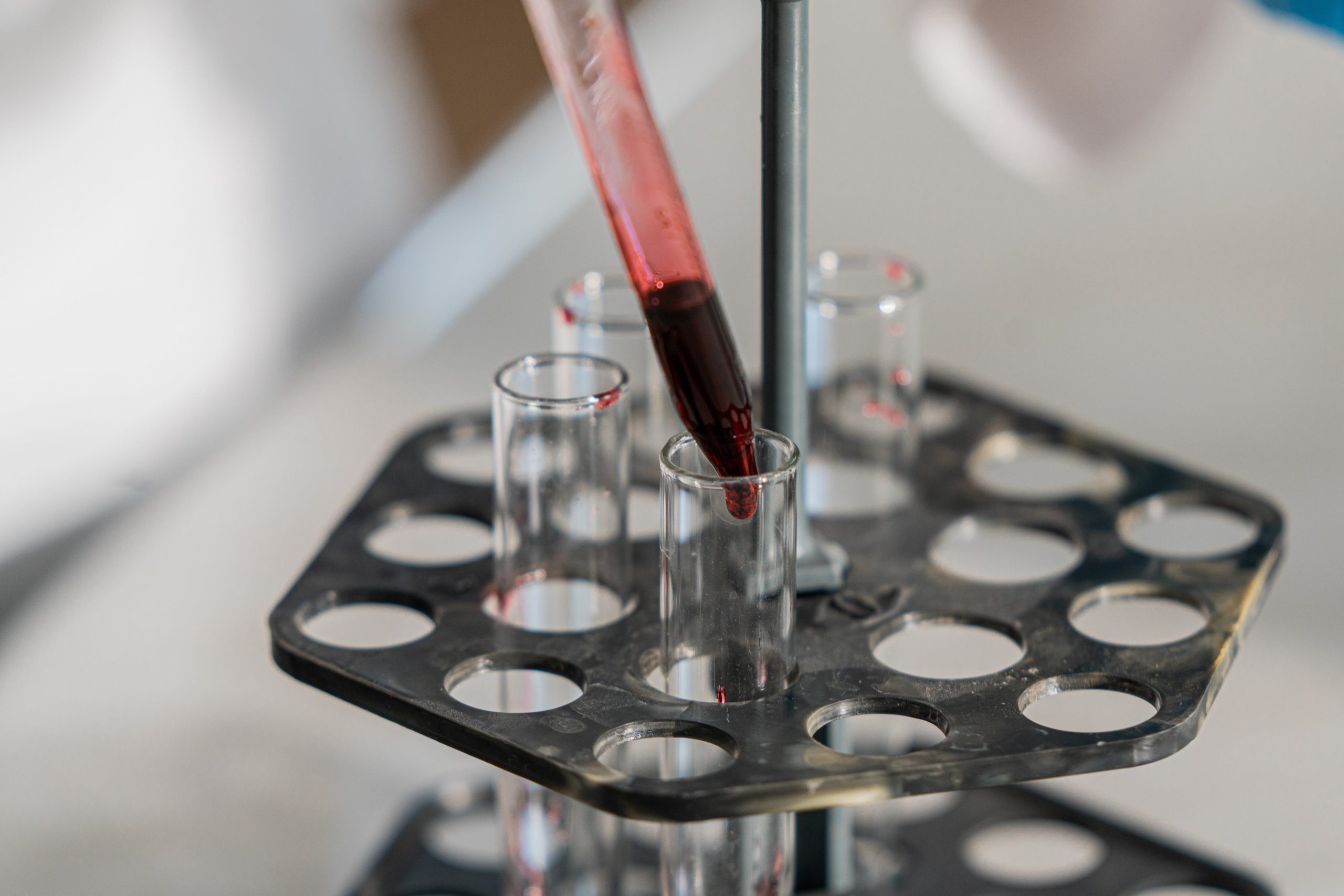
A pet can look perfectly healthy on the outside while quietly dealing with a serious internal health problem. Conditions like kidney disease, diabetes, anemia, liver dysfunction, and parasitic infections often develop silently, with no visible symptoms until the disease has progressed significantly. That’s why diagnostic laboratory testing is one of the most powerful tools in veterinary medicine — and why Your Pets Vets in Pembroke Pines, FL maintains a fully equipped, in-house laboratory staffed by trained veterinary professionals.
Having our laboratory on-site means that your pet’s test results are available quickly — often during the same visit — rather than waiting days for results from an outside lab. This is especially important in emergency situations, where rapid diagnosis can mean the difference between life and death. Our team uses accurate, reliable equipment to ensure that every test result gives us the clearest possible picture of your pet’s health.
Veterinary Lab Tests We Offer at Your Pets Vets
Our full-service laboratory is equipped to perform a wide range of diagnostic tests to evaluate your pet’s health from multiple angles. Whether we’re investigating a specific concern or conducting routine screening as part of your pet’s annual wellness exam, our lab tests provide critical insights. Common tests we perform include:
- Complete Blood Count (CBC) — Measures red blood cells, white blood cells, and platelets to detect infections, anemia, leukemia, and other blood-related conditions.
- Blood Chemistry Panel — Evaluates electrolyte levels, protein, and enzyme activity to assess organ function — including the kidneys, liver, and pancreas — and gauge your pet’s response to any current treatments.
- Urinalysis (UA) — Tests urine for sugar, protein, blood, and other markers to help detect urinary tract infections, diabetes, kidney disease, and liver problems.
- Fecal Examination — Screens for intestinal parasites including roundworms, hookworms, whipworms, giardia, and other harmful organisms in your pet’s stool.
- Heartworm Test — Detects the presence of heartworms in your pet’s bloodstream — a potentially fatal but preventable condition.
- Pre-Anesthetic Testing — Performed before any surgical procedure, including soft tissue surgery, to confirm your pet is healthy enough for anesthesia and to establish baseline values for monitoring during and after the procedure.
- Thyroid Testing — Evaluates thyroid hormone levels, which is particularly important for senior pets who may be prone to hyperthyroidism (cats) or hypothyroidism (dogs).
Not every pet will need every test. Our veterinarians will recommend the most appropriate tests based on your pet’s age, health history, current symptoms, and the results of their physical examination. Final approval for any testing is always reserved to you as the pet owner.
Lab Testing as Part of Your Pet’s Preventive Care
Lab work isn’t just for sick pets. Routine diagnostic testing is a vital part of preventive care at Your Pets Vets, and we recommend baseline bloodwork for adult pets and more frequent testing for senior pets. By establishing normal values for your individual pet early on, we can more easily detect changes over time that might signal the beginning of a health issue — often before symptoms appear.
Early detection is one of the most effective strategies in veterinary medicine. Many conditions that are difficult or expensive to treat when advanced can be managed successfully when caught early. Lab testing gives our team the information we need to intervene at the right time, giving your pet the best possible outcome. Combined with regular wellness exams, vaccinations, and digital radiology, in-house lab testing forms a comprehensive preventive care strategy that keeps your pet healthy for years to come.
Frequently Asked Questions About Veterinary Lab Testing in Pembroke Pines
What types of lab tests does Your Pets Vets offer?
Your Pets Vets offers a comprehensive range of in-house veterinary lab tests including complete blood counts, blood chemistry panels, urinalysis, fecal examinations, heartworm testing, thyroid panels, and pre-anesthetic bloodwork. Our in-house laboratory allows for fast, accurate results to support timely diagnosis and treatment.
How long does it take to get pet lab results?
Because Your Pets Vets has a full in-house laboratory, many test results are available within the same visit. This is especially important in urgent or emergency situations where rapid diagnosis is critical to your pet’s health.
Does my healthy pet need routine lab testing?
Yes. Routine lab testing is an important part of preventive care, even for pets that appear healthy. Annual bloodwork for adult pets and bi-annual testing for senior pets helps establish baseline values and detect subtle changes that may indicate early-stage disease before symptoms appear.
Why does my pet need bloodwork before surgery?
Pre-surgical bloodwork at Your Pets Vets evaluates your pet’s organ function to confirm they can safely process anesthesia. It also provides our team with baseline values to monitor during and after the procedure. This is a standard safety protocol for all surgical patients, including those undergoing soft tissue surgery.
What is a fecal examination and why is it important?
A fecal exam analyzes a small sample of your pet’s stool to check for intestinal parasites such as roundworms, hookworms, giardia, and others. Many of these parasites can be present without obvious symptoms and can also be transmitted to humans, making regular fecal testing an important part of your pet’s health routine.
Can lab tests detect cancer in pets?
Certain lab tests can raise suspicion for cancer or detect abnormalities that warrant further investigation, such as unusual blood cell counts or elevated organ enzymes. If our team suspects cancer, additional diagnostics — including digital radiology or biopsy — may be recommended to confirm the diagnosis.
How do I prepare my pet for lab testing?
For some blood tests and urinalysis, fasting beforehand may be required. Our team at Your Pets Vets will provide specific preparation instructions when you schedule your appointment. Call us at (954) 271-2703 for guidance.